Smaller Boxes, Value Brands, and the Rise of Tertiary Markets
Retail success in 2026 is less about size and more about strategy.
As we move into the second half of 2026, the most active deals are not happening where they used to or taking the same shape. For brokers and tenant representatives, understanding where momentum is building is critical to staying ahead of clients and competition.
With new retail development remaining limited, demand for well-located existing space continues to drive leasing activity. Retailers are rethinking where they grow and how their stores are configured.
Three shifts are defining today’s retail landscape: smaller footprints, continued expansion of value-oriented retailers, and growing demand in tertiary markets.
The Shift to Smaller, More Efficient Spaces
Retailers are becoming more disciplined in how they use space. Large-format stores still play a role, but many expanding brands are reducing square footage while maintaining productivity.
While cost control is a factor, flexibility is the greater advantage. Smaller boxes allow retailers to:
- Enter more markets with lower upfront investment
- Backfill second-generation space more easily
- Adapt layouts to evolving merchandising strategies
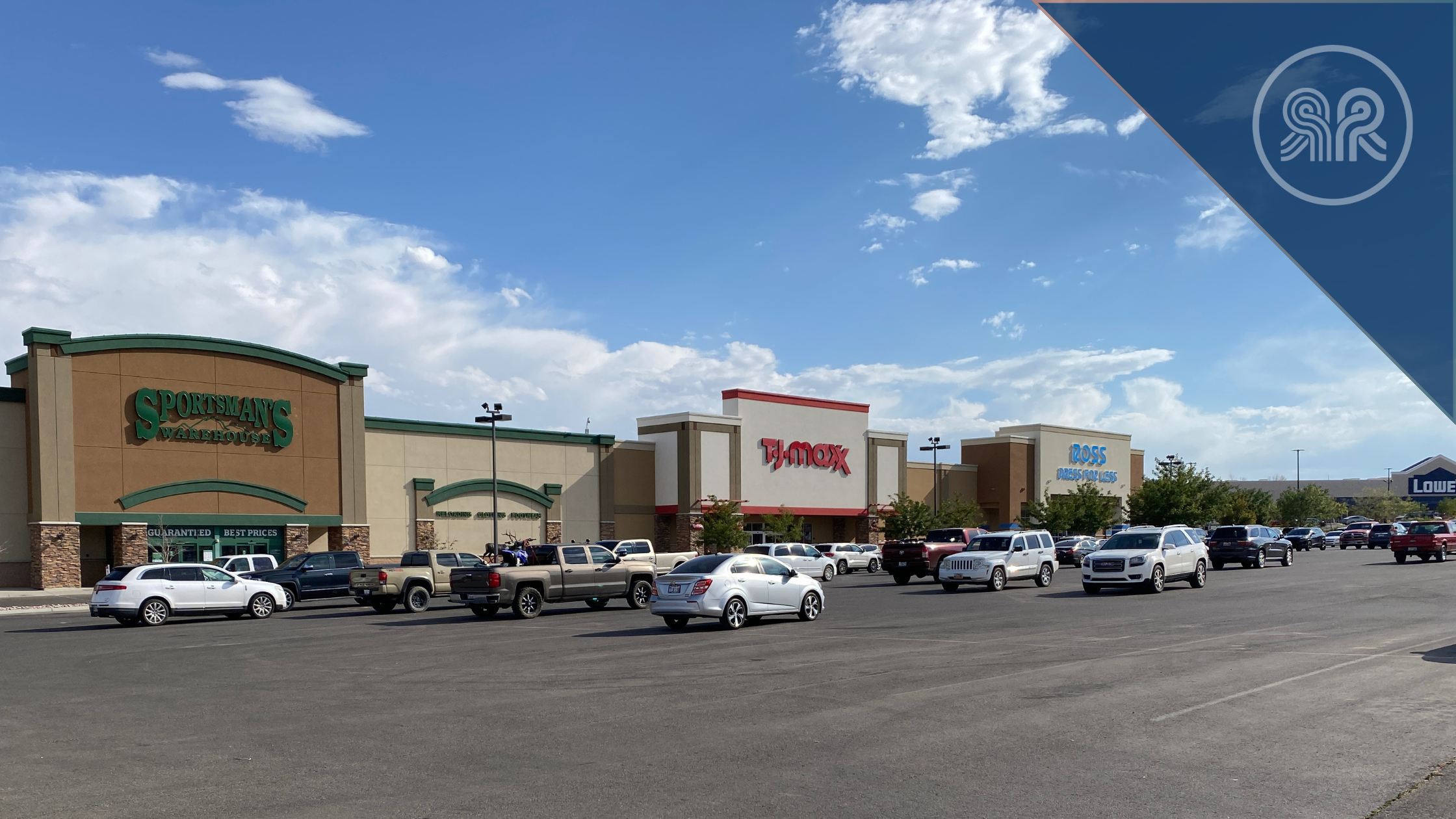
With limited new development, retailers are increasingly focused on existing space, creating opportunities to reposition junior boxes, subdivided anchors, and former big-box locations.
The question is no longer, “Who can take 40,000 square feet?” It is, “How can this space be reimagined for today’s tenants?”
Value Retailers Continue to Expand
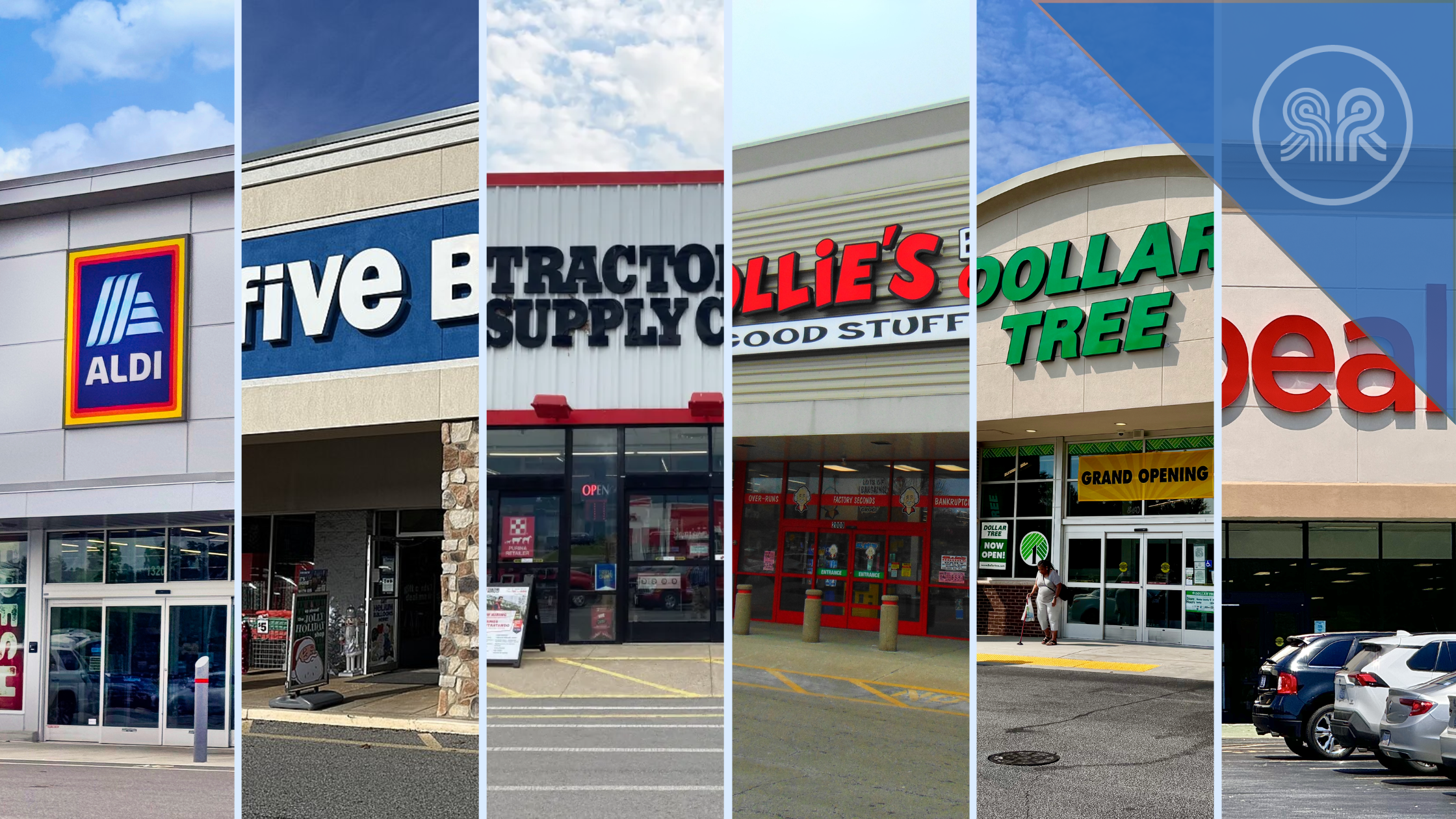
Value-oriented retail continues to show strong momentum. Discount grocers, off-price apparel retailers, and closeout concepts are expanding as consumers remain focused on value. These tenants fill space while driving consistent customer traffic. For landlords and brokers, value retailers:
- Stabilize centers with consistent traffic
- Complement necessity-based co-tenants
- Perform well across a wide range of trade areas
Identifying which concepts are expanding, and understanding their site criteria, has become a key differentiator for brokers and tenant representatives.
Tertiary Markets Are Gaining Ground
One of the most significant shifts is where deals are getting done.
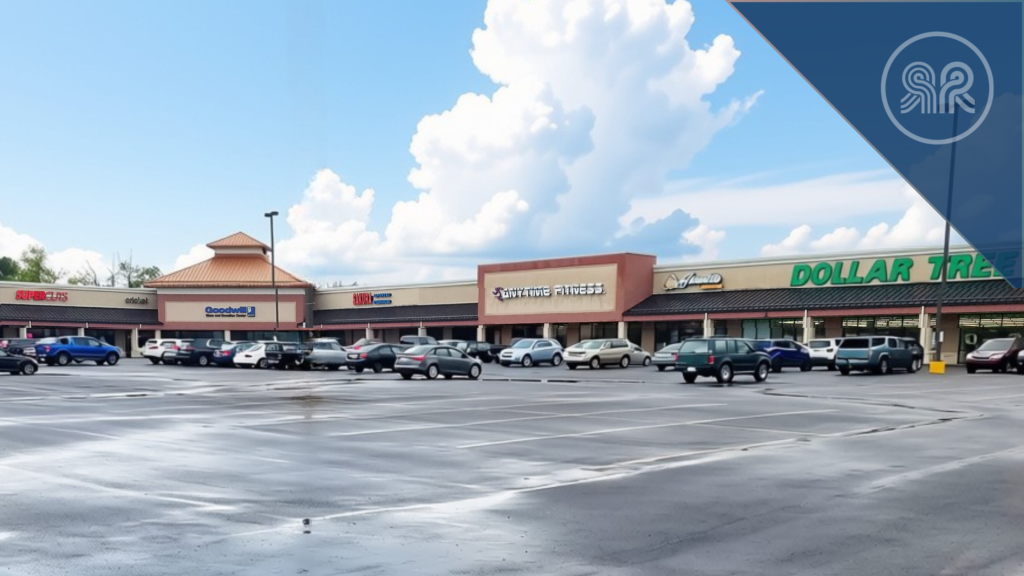
Tertiary markets, particularly County Seat Communities and smaller regional hubs, are drawing increased attention from national and regional retailers. These communities often function as the commercial center for an entire county, pulling shoppers from surrounding towns.
For expanding retailers, that creates a compelling mix of stable demand, lower occupancy costs, and reduced competition compared to larger metropolitan markets. Retailers are recognizing that:
- Consumers in these markets are often underserved
- Brand loyalty can be stronger than in dense urban areas
- Real estate economics often support stronger returns
For brokers, this requires a broader geographic lens. Markets once considered secondary are now firmly part of active expansion strategies. Success in these communities depends on strong local market knowledge, including traffic patterns, shopping behavior, and tenant mix.
What This Means for Brokers and Tenant Representatives
The retail environment in 2026 rewards those who connect shifting retailer strategies with available real estate opportunities. The strongest opportunities are being created by:
- Reworking existing space for smaller prototypes
- Aligning value-driven retailers with the right demographics
- Identifying underserved markets before they become more competitive
As retailers refine expansion strategies, brokers should be asking sharper questions. Does a center support today’s smaller formats? Can anchor space be reconfigured for multiple tenants? Which expanding retailers are the best fit for the trade area?
Those who can answer these questions will be best positioned to deliver value for their clients.
Retail continues to evolve, but fundamentals remain strong. Activity is steady. Demand is real. The strategy has simply shifted. The advantage belongs to those who recognize where the market is heading—and help their clients move there first.